MOMENTS ON FILM
Film Photography — An Ongoing Visual Journal
People
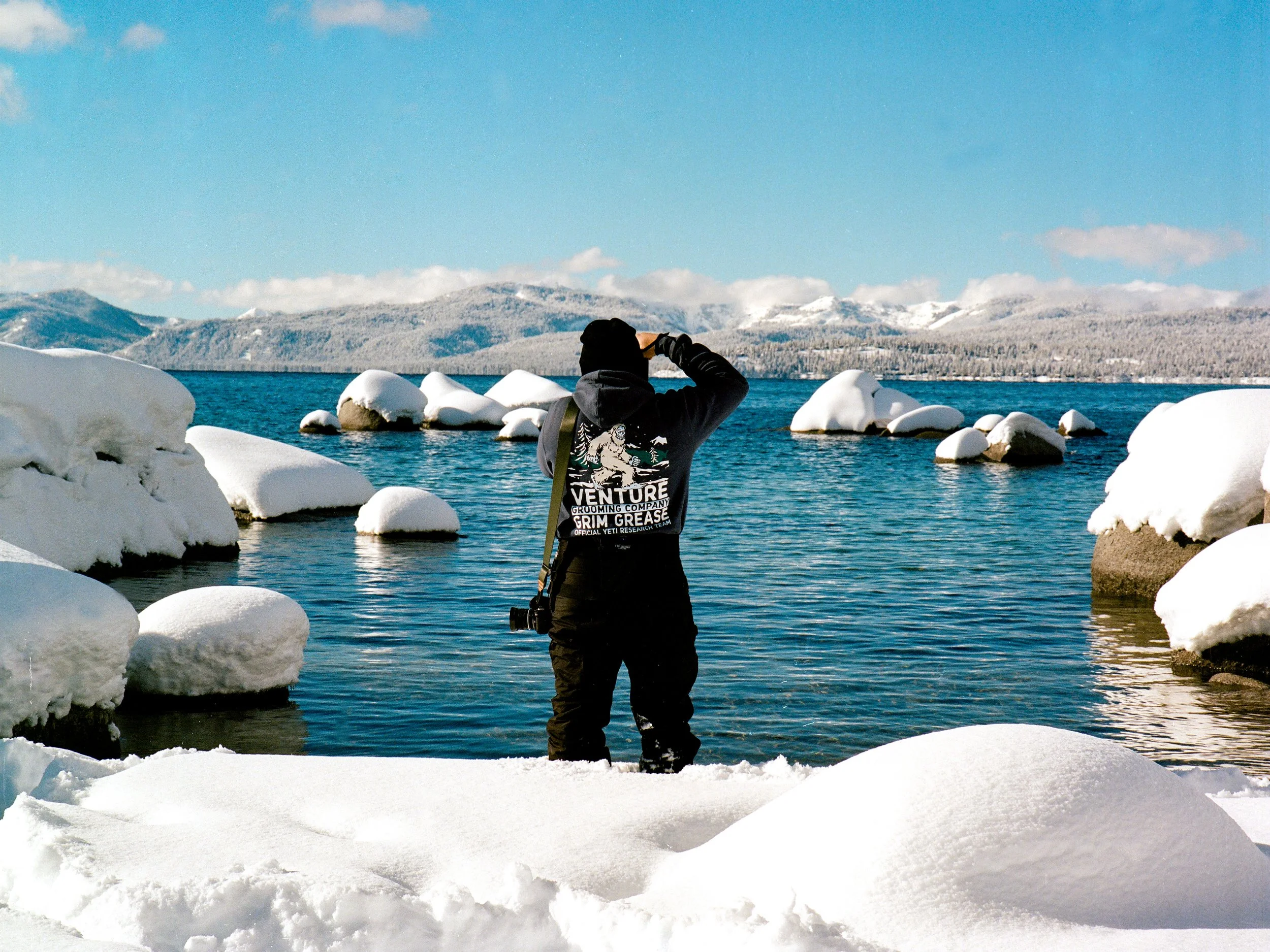
Places
Machines
Everyday Life
The point is to notice.
I started shooting film because it changed the way I looked at a scene. Without endless frames or a screen telling me what I had, I had to decide what mattered before pressing the shutter.
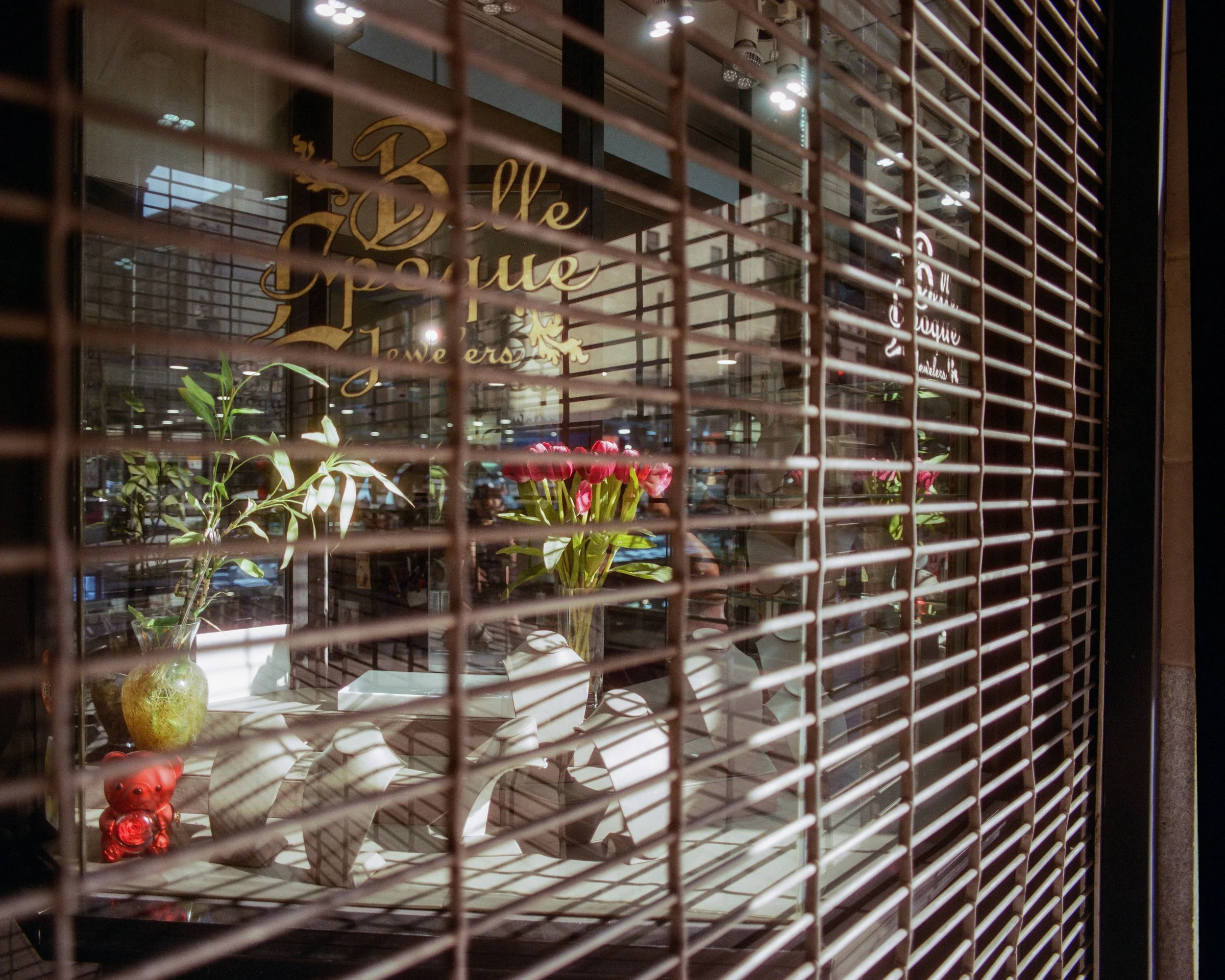
Over time, it became less about nostalgia and more about attention, the way light falls across a wall, a person between moments, a car parked in exactly the right place, or a familiar corner that may never look quite the same again.
This isn't one project. It's an ongoing record of the things I keep noticing.
The ordinary becomes the photograph.
Most of the photographs I care about begin without a plan.
I notice a combination of light, color, shape, or someone moving through a place and make the frame before the moment disappears. Film makes that process more deliberate. There are fewer photographs, but each one requires a decision.
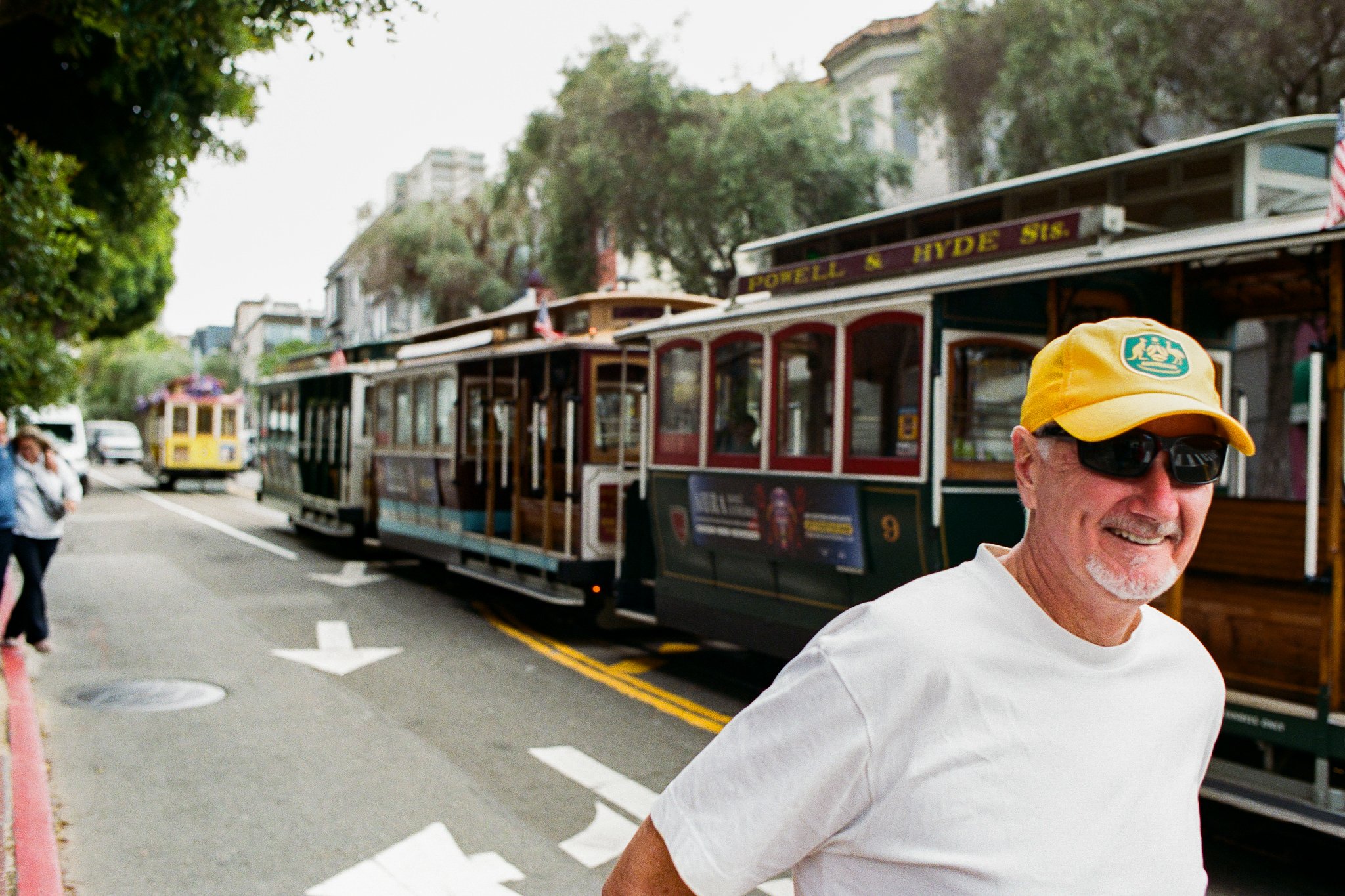
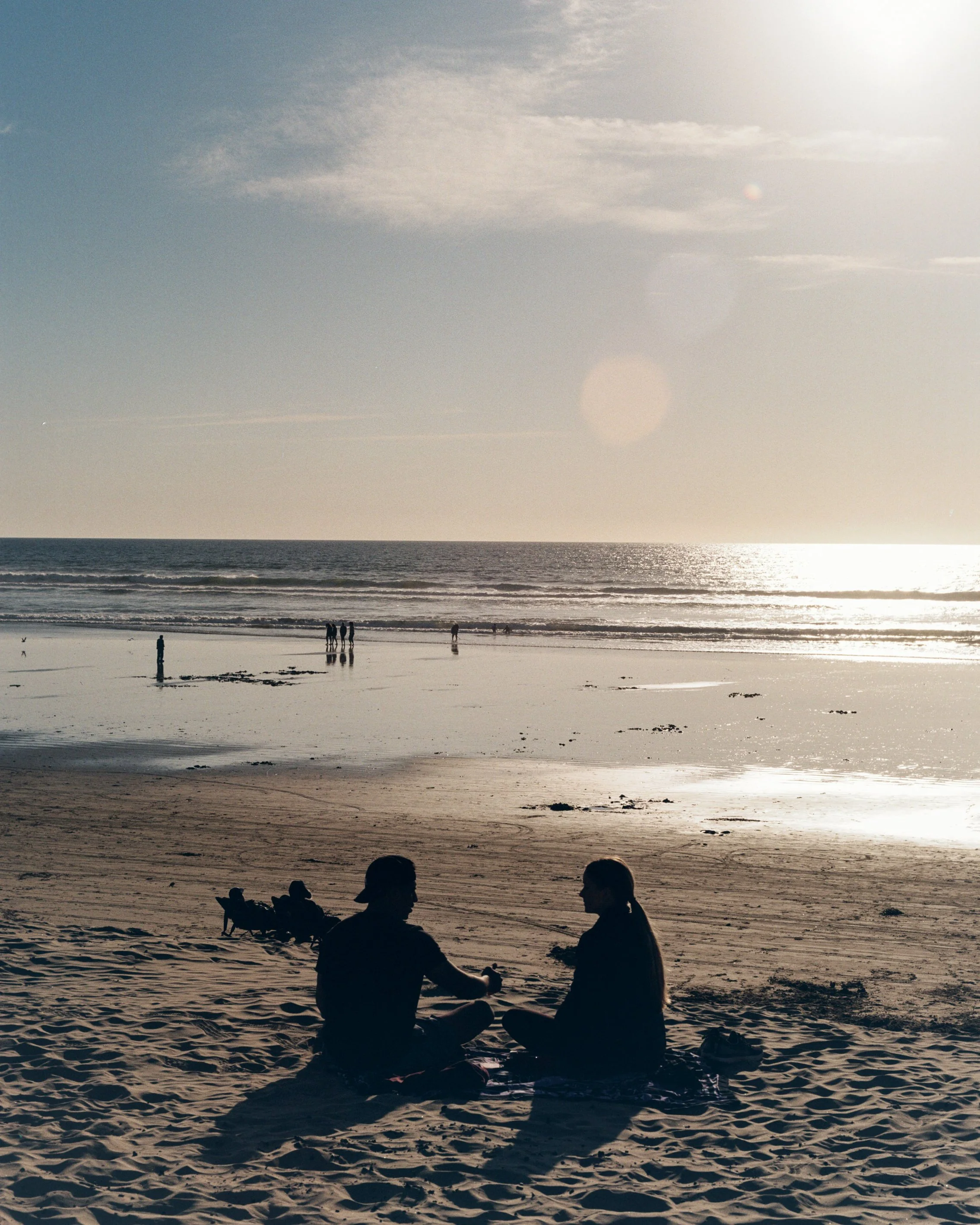
People don't always need to perform for the camera.
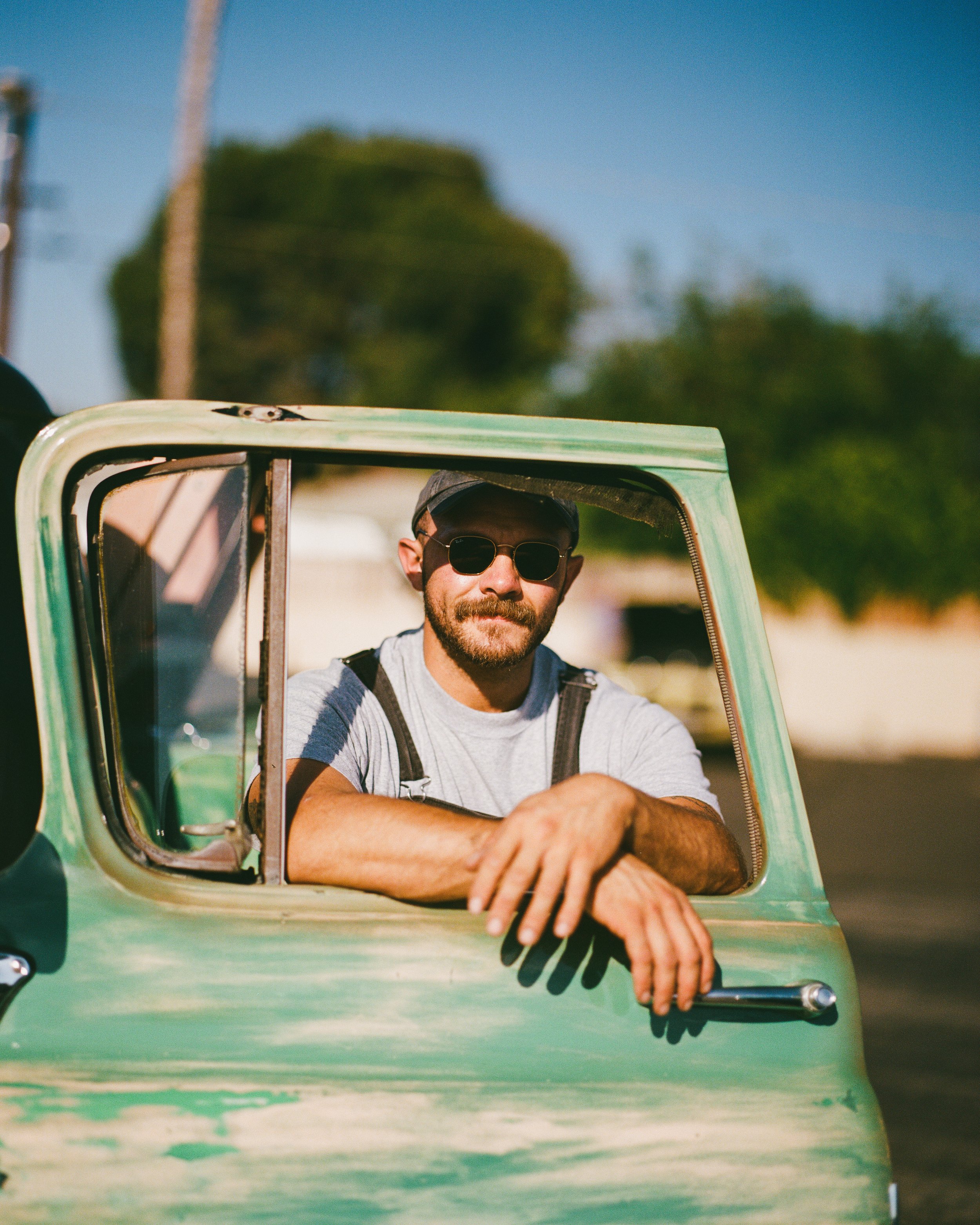
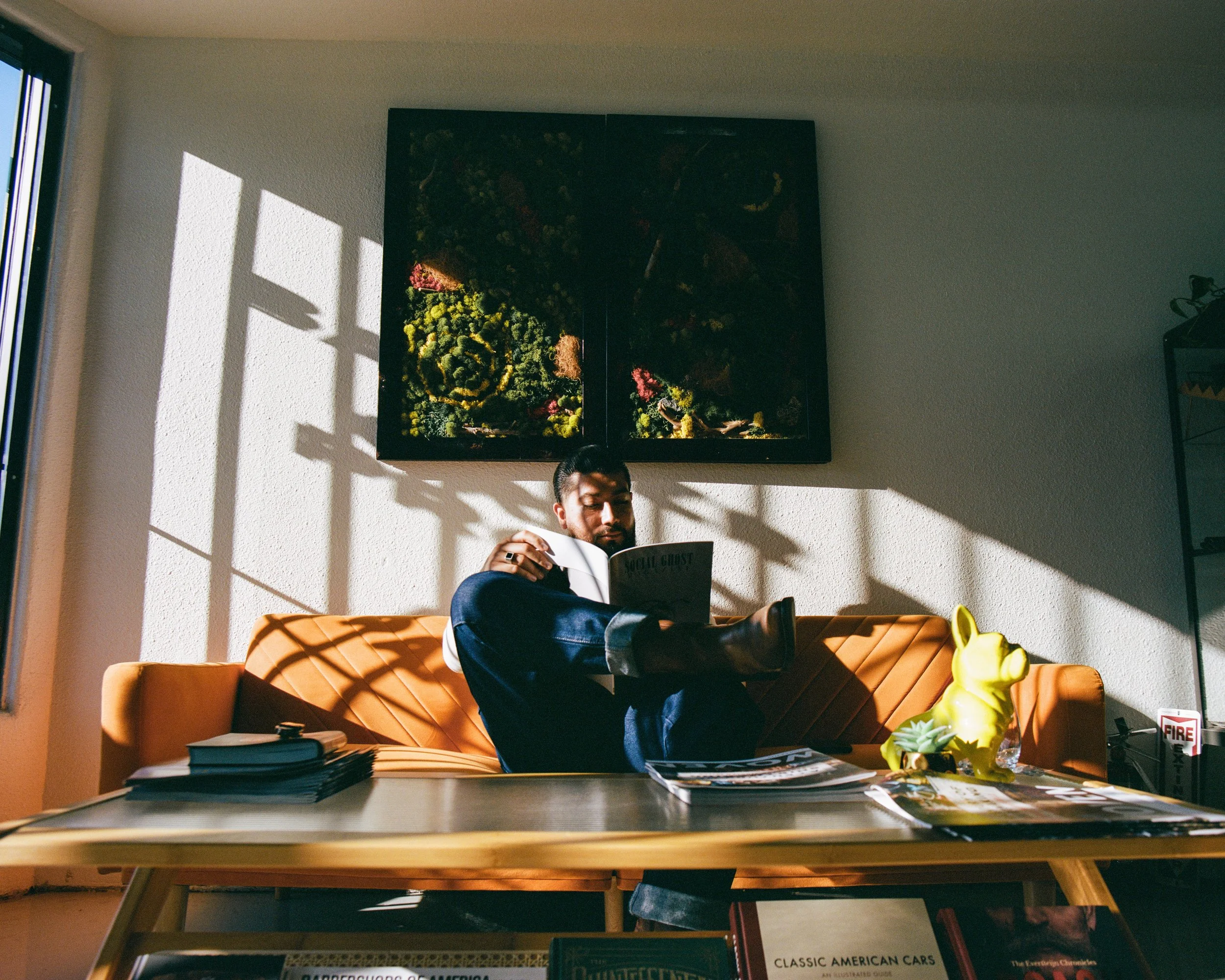
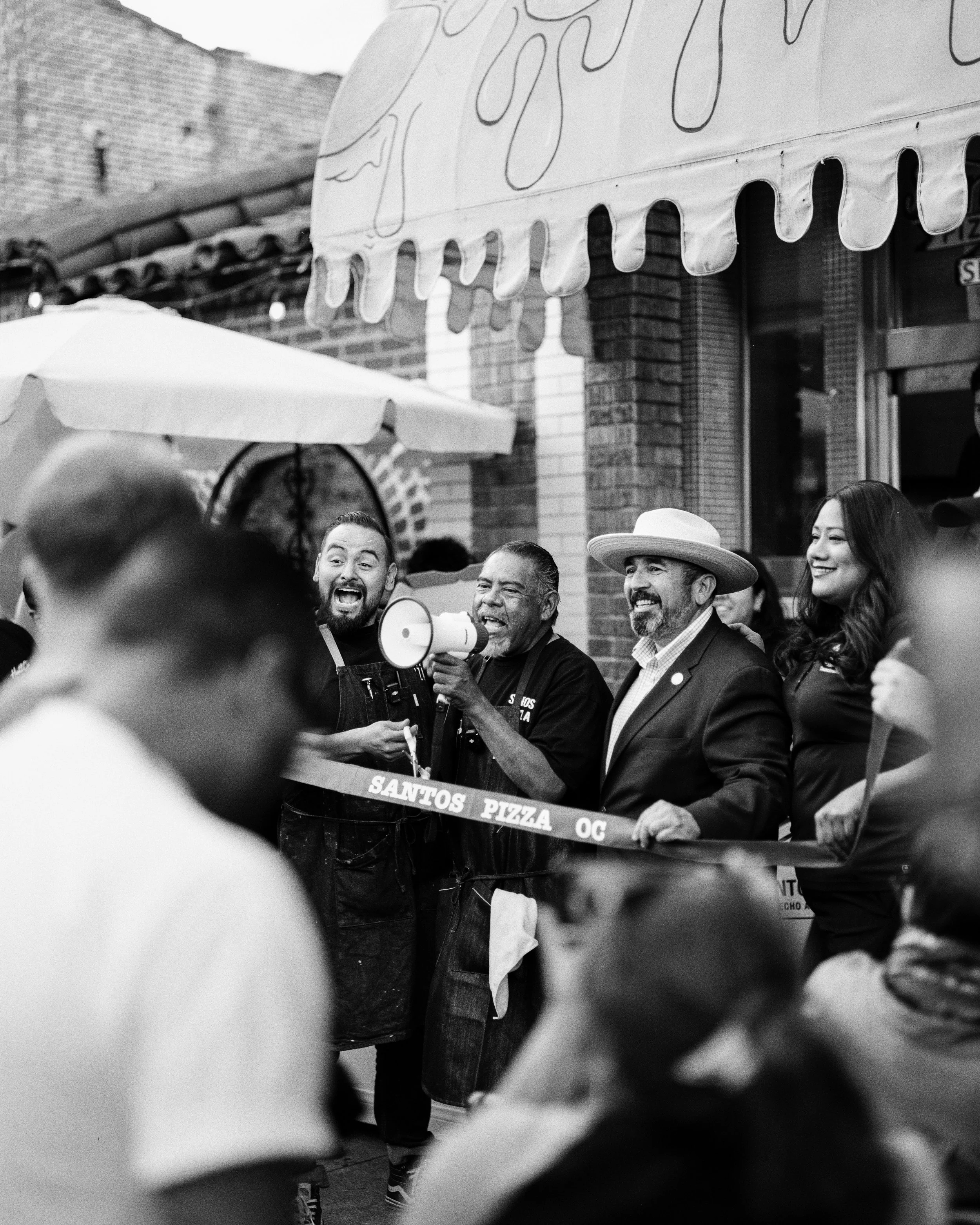
I'm usually more interested in the moment before or after someone thinks they're being photographed.
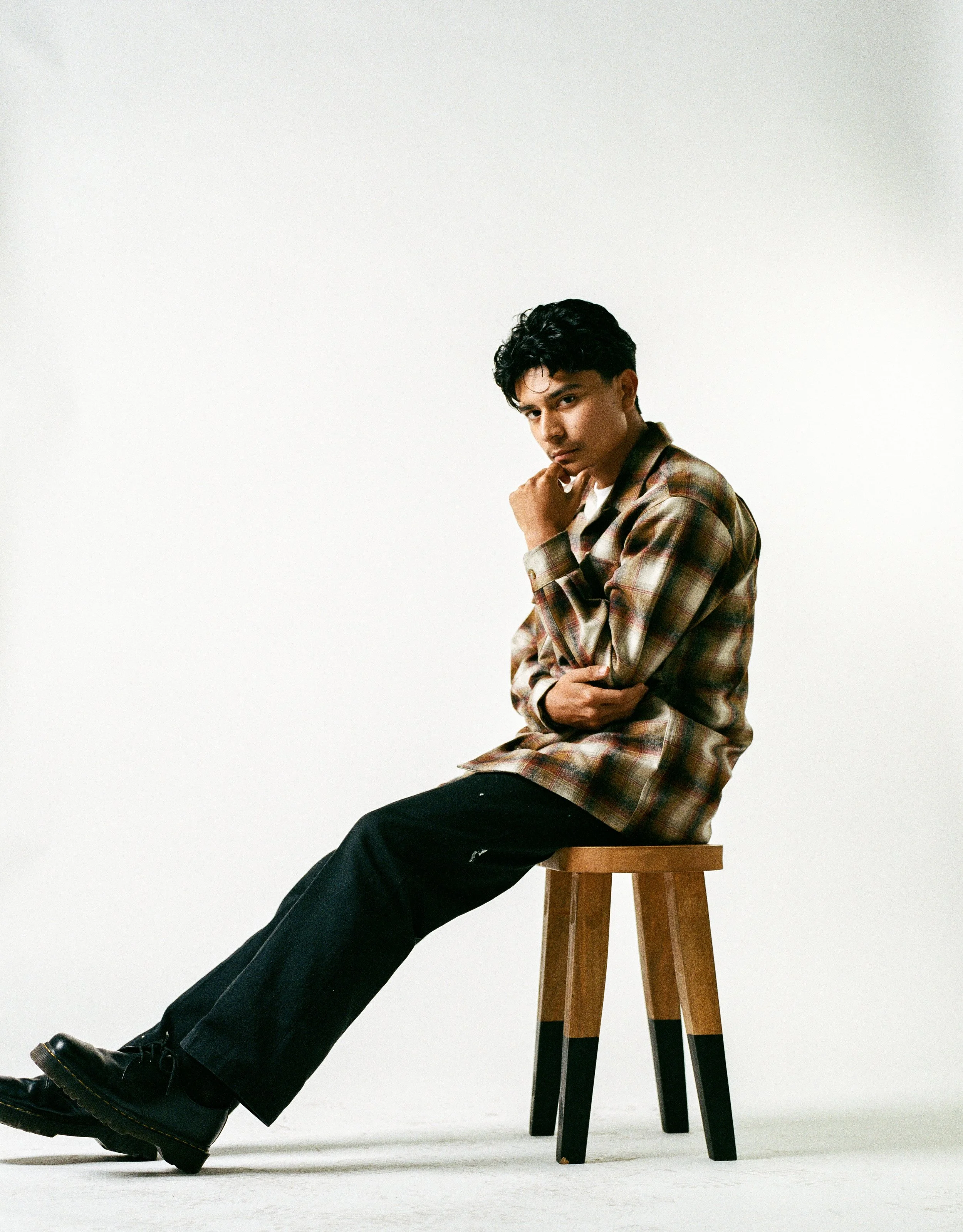
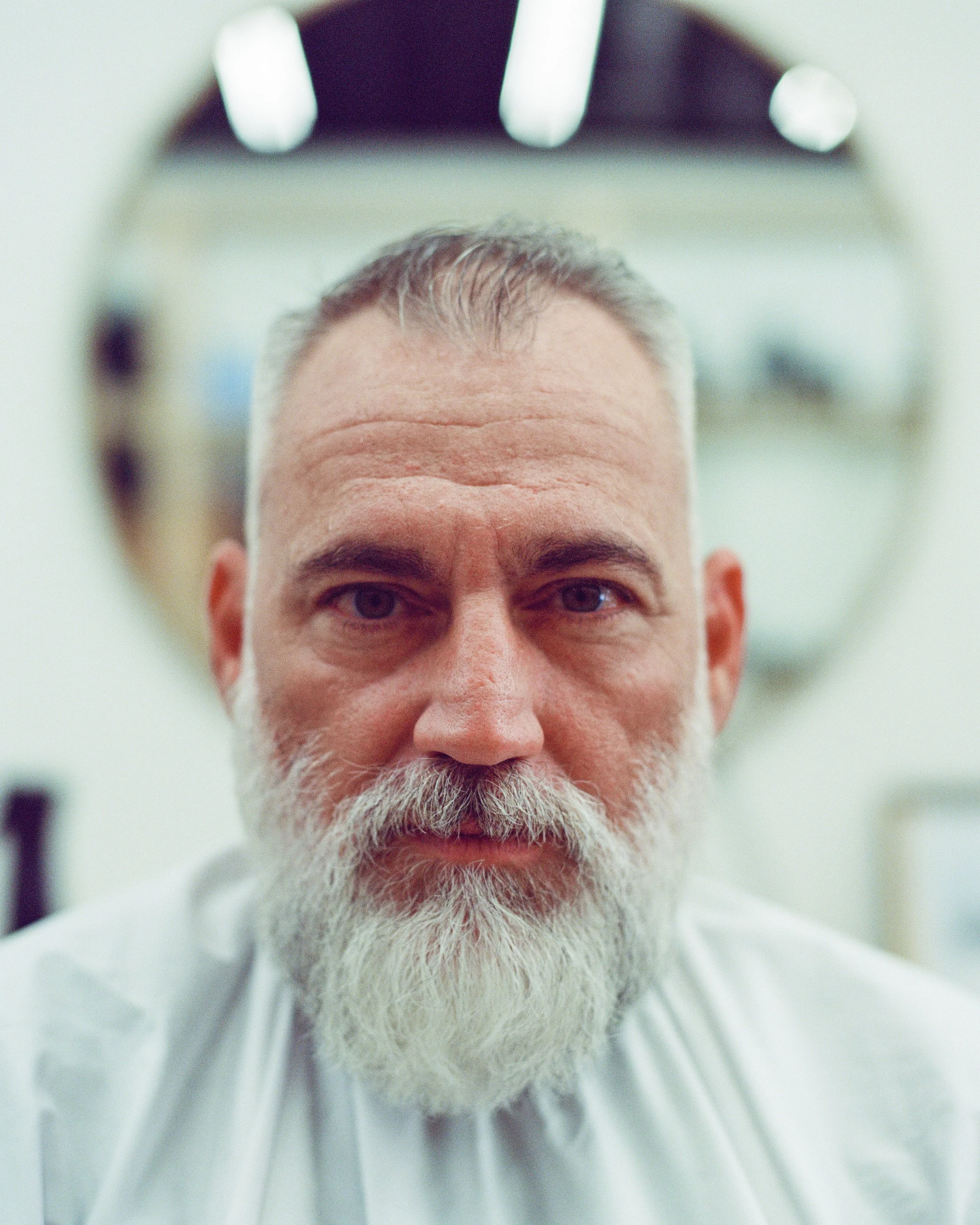
Even when a portrait is intentional, I try to leave enough of the environment in the frame to tell us something about the person. Clothing, architecture, cars, light and location become part of the portrait.
The camera changes the pace.
Film forces me to stay with a scene a little longer.
Meter the light. Find the frame. Wait. Decide whether the photograph is actually there.
That slower process has influenced the way I work with digital cameras and motion as well. I'm less interested in collecting coverage and more interested in finding the frame that tells the story.
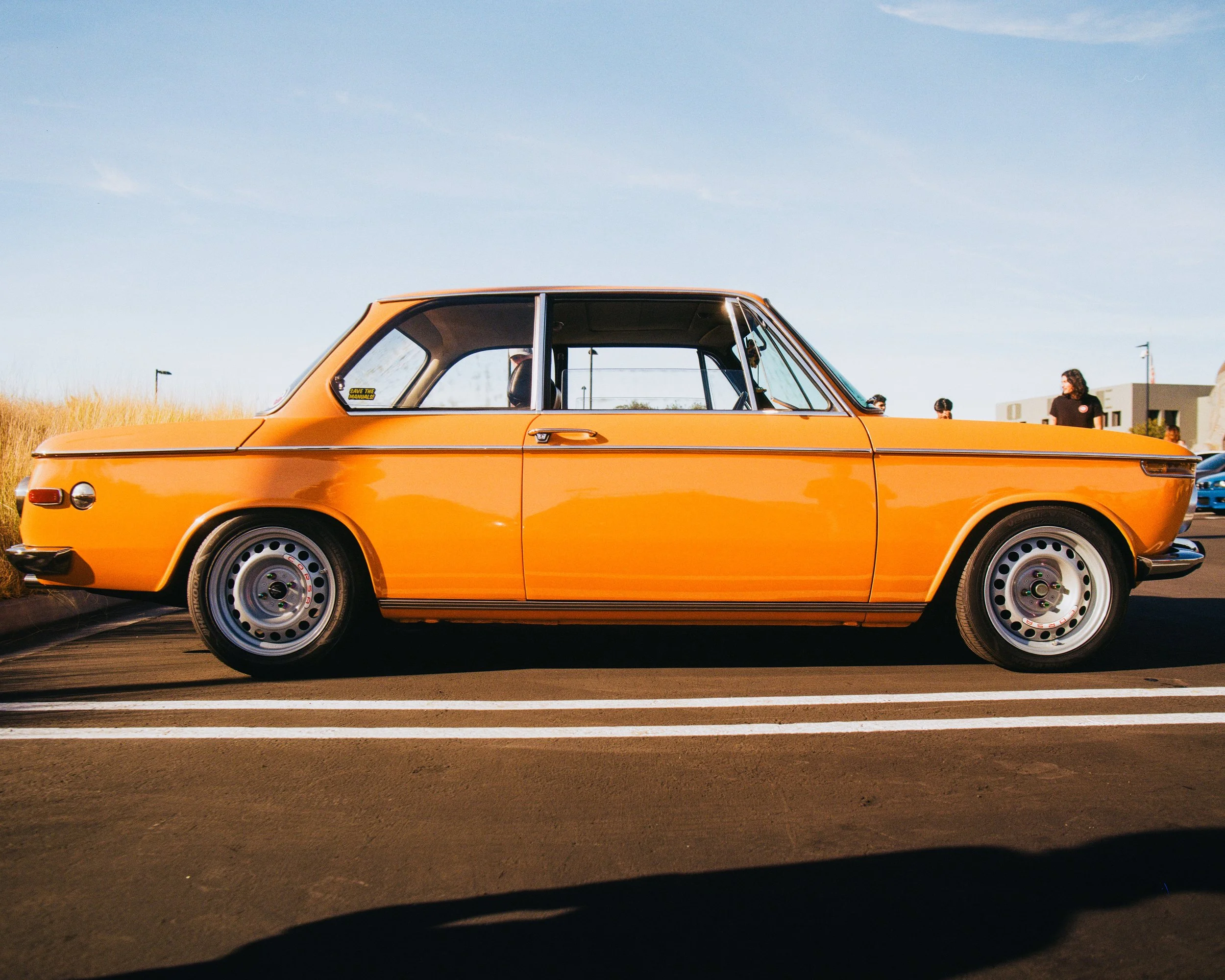
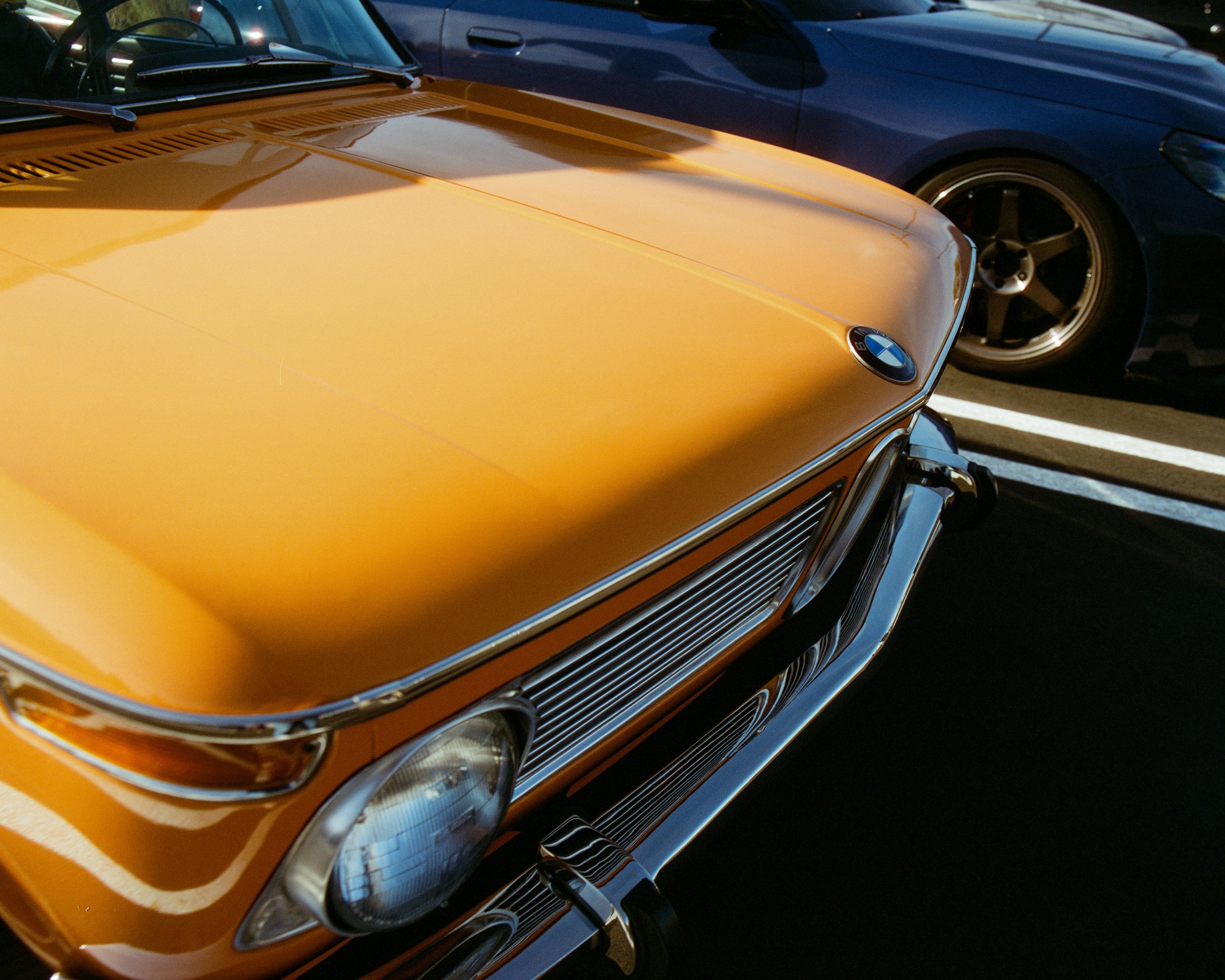
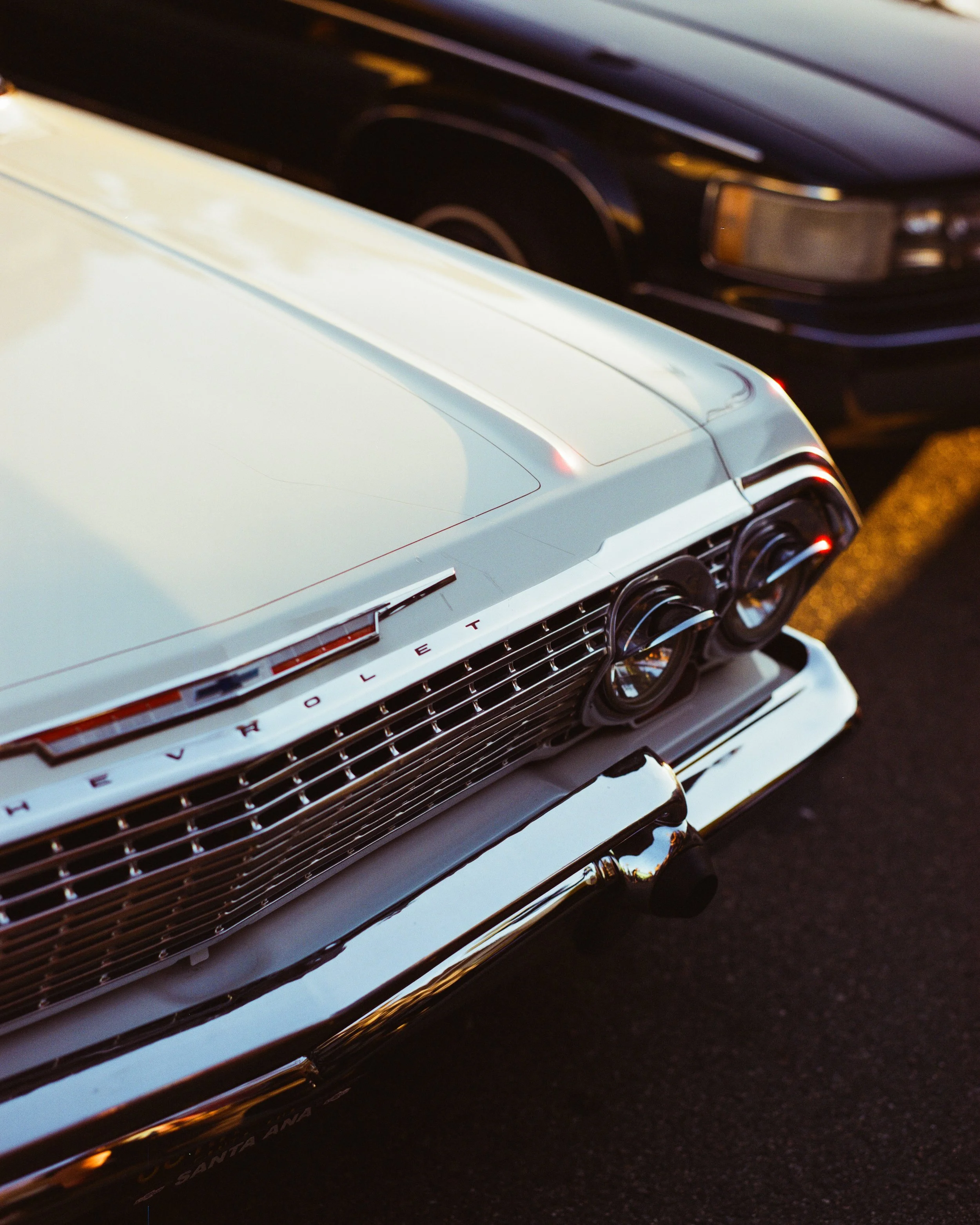
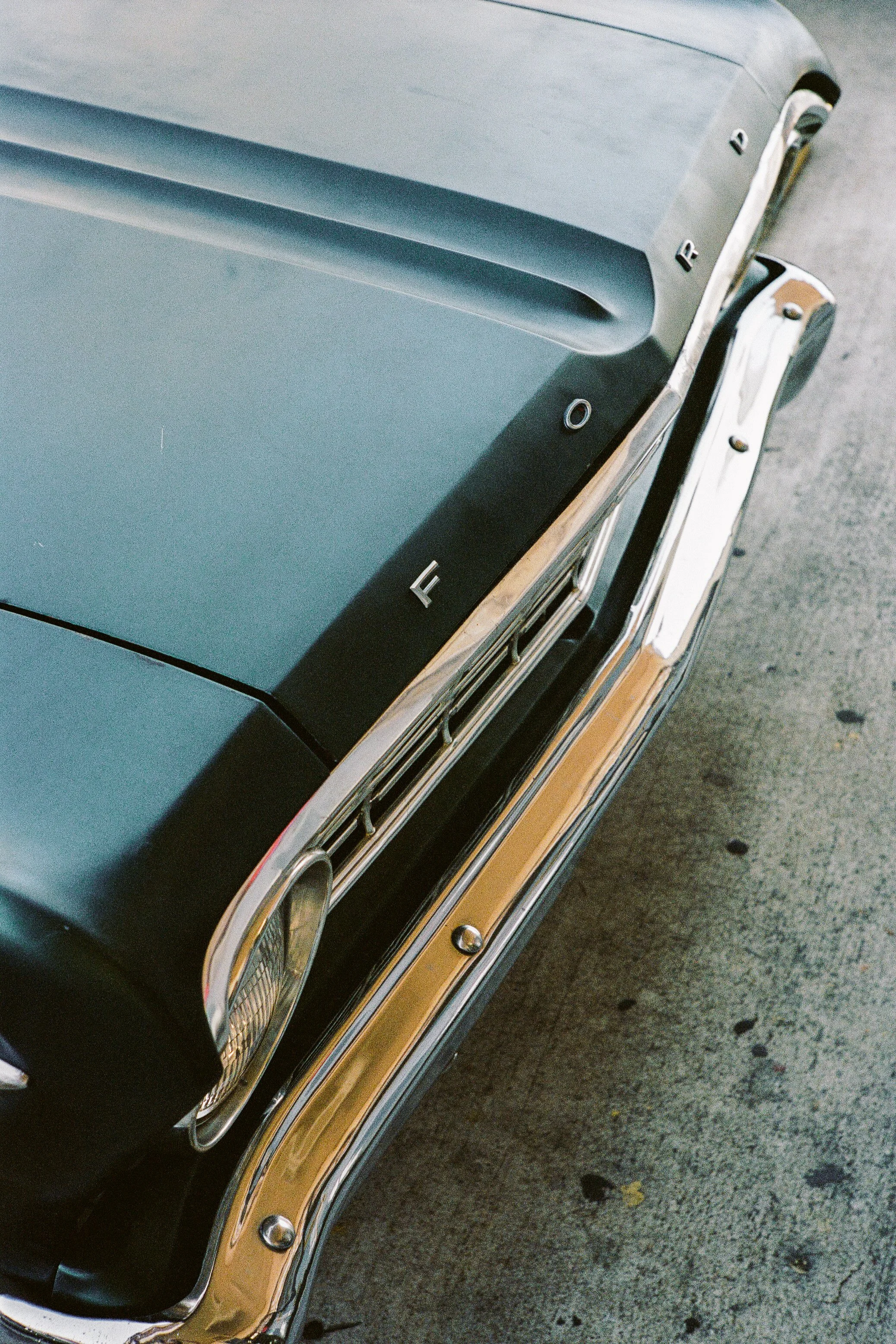
Cars are portraits too.
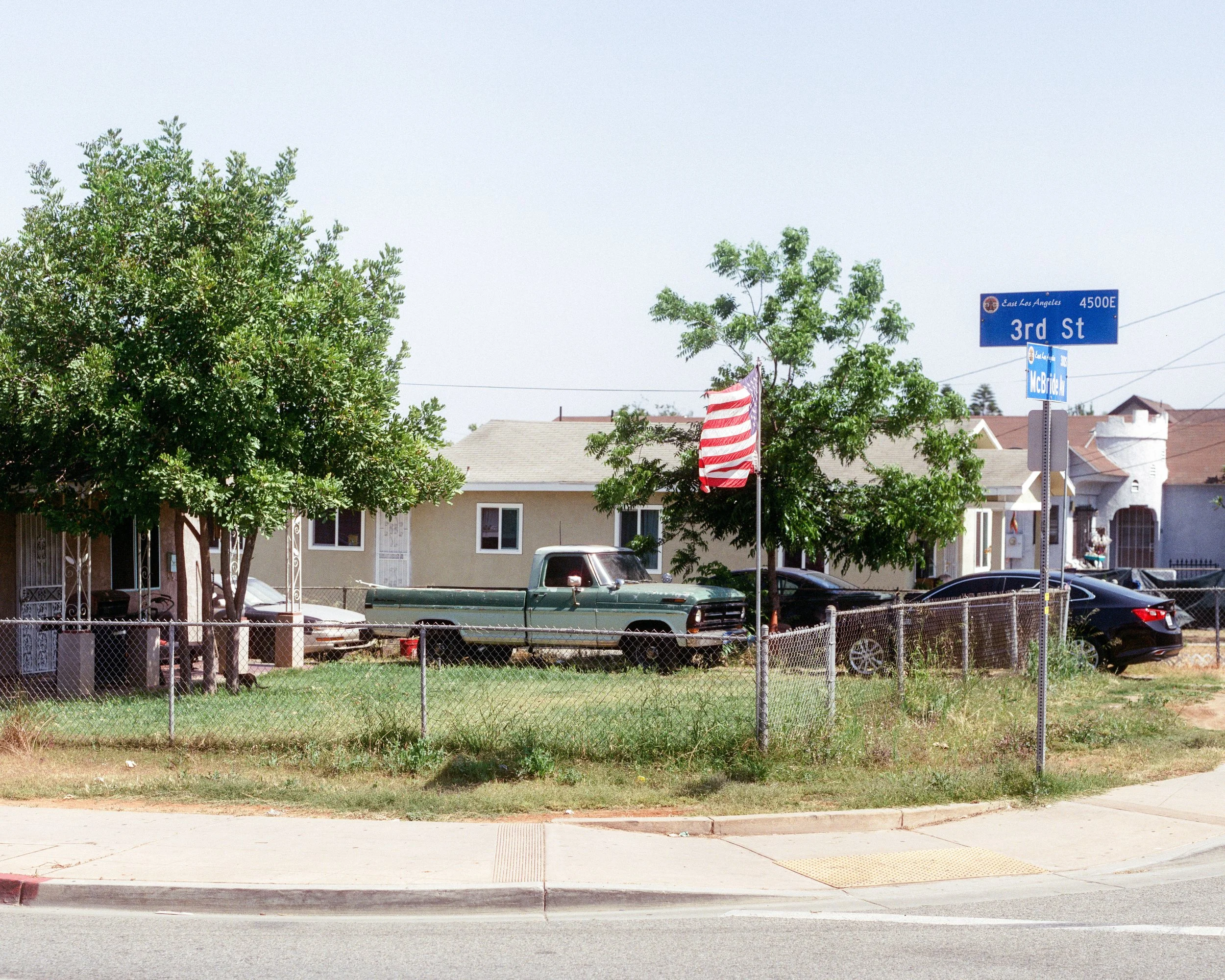
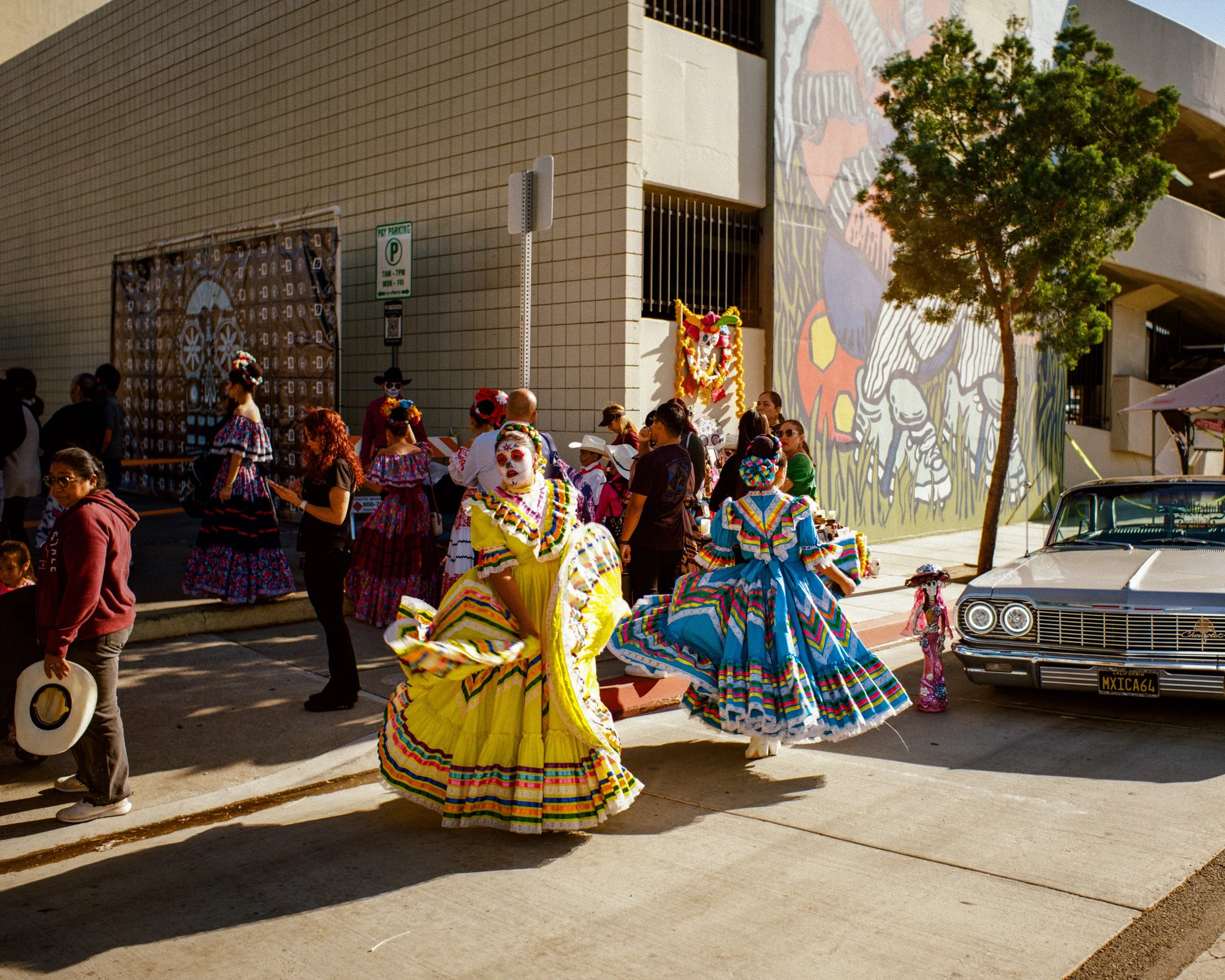
What attracts me to older cars isn't only the car itself. It's paint, chrome, wear, reflections, the person who owns it and the environment surrounding it. Sometimes the entire car matters. Other times one small piece of it says enough.
Color is part of the place.
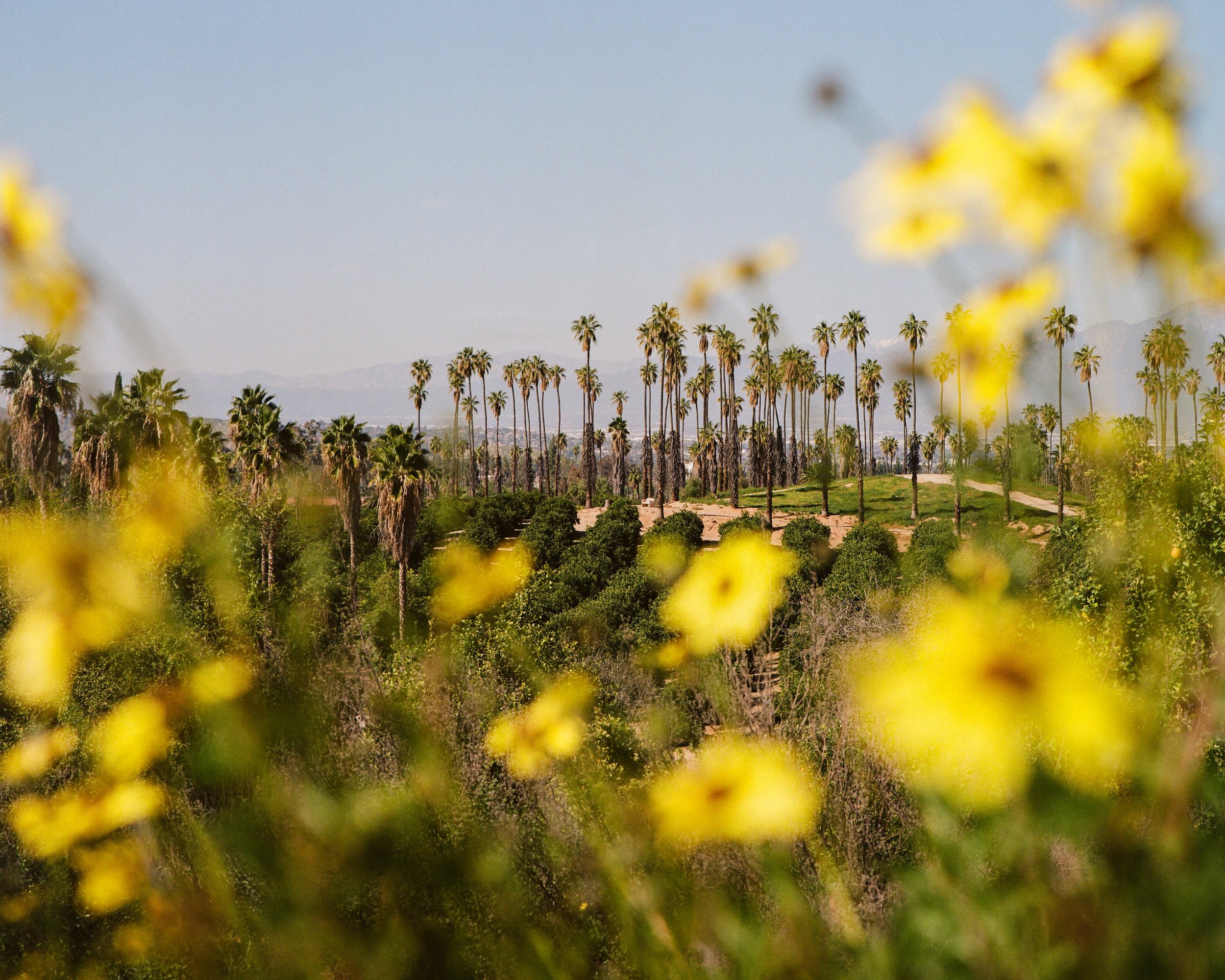
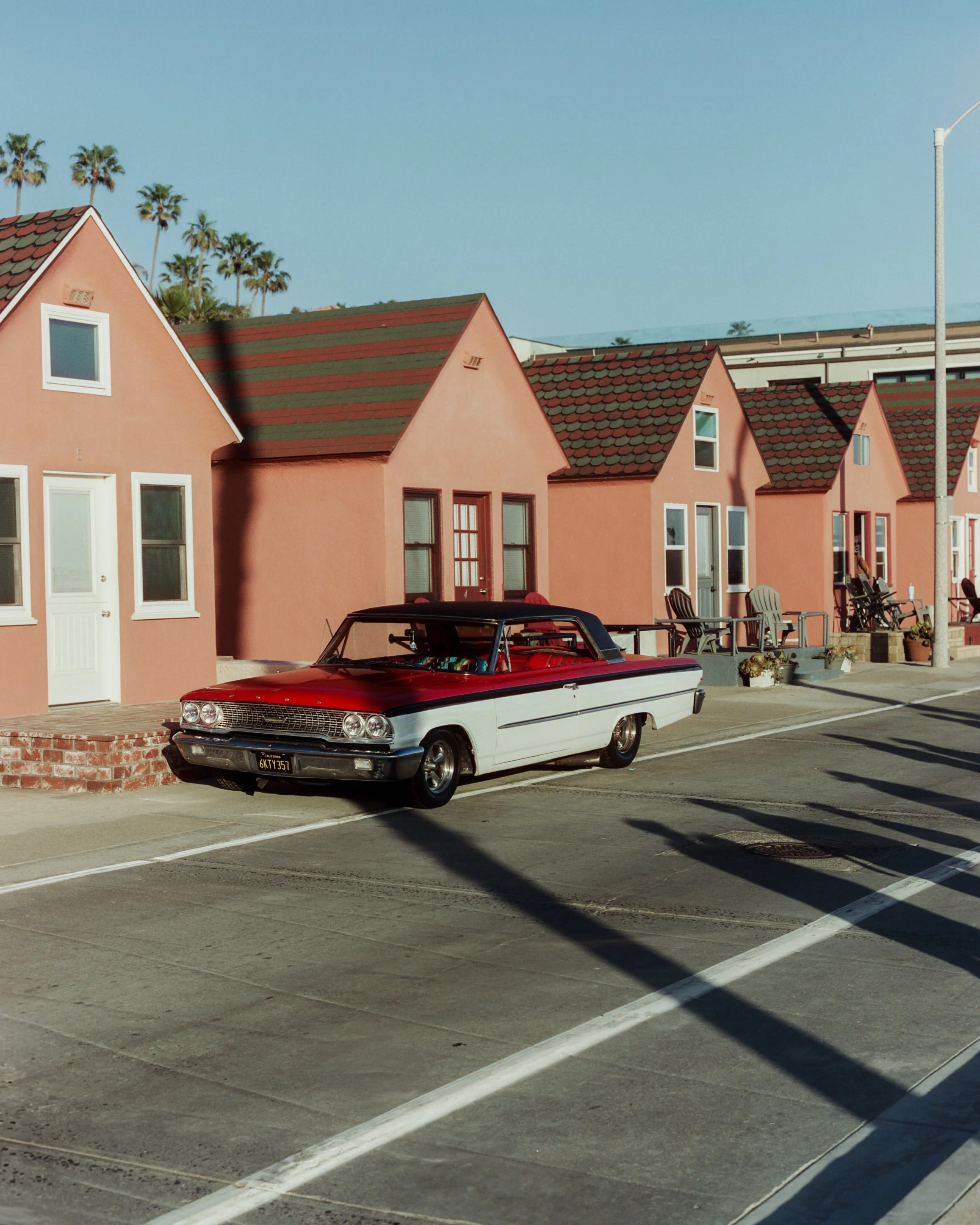
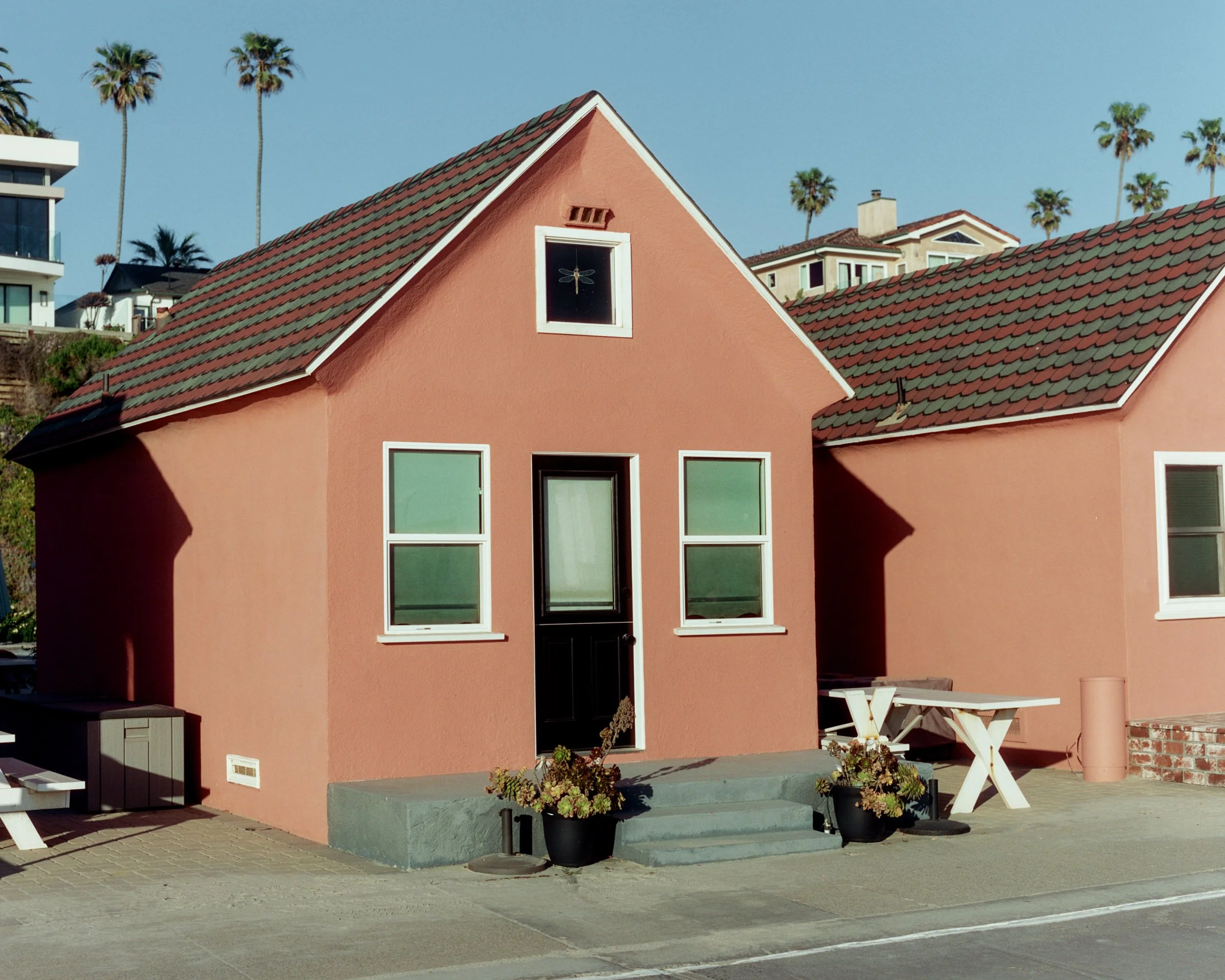
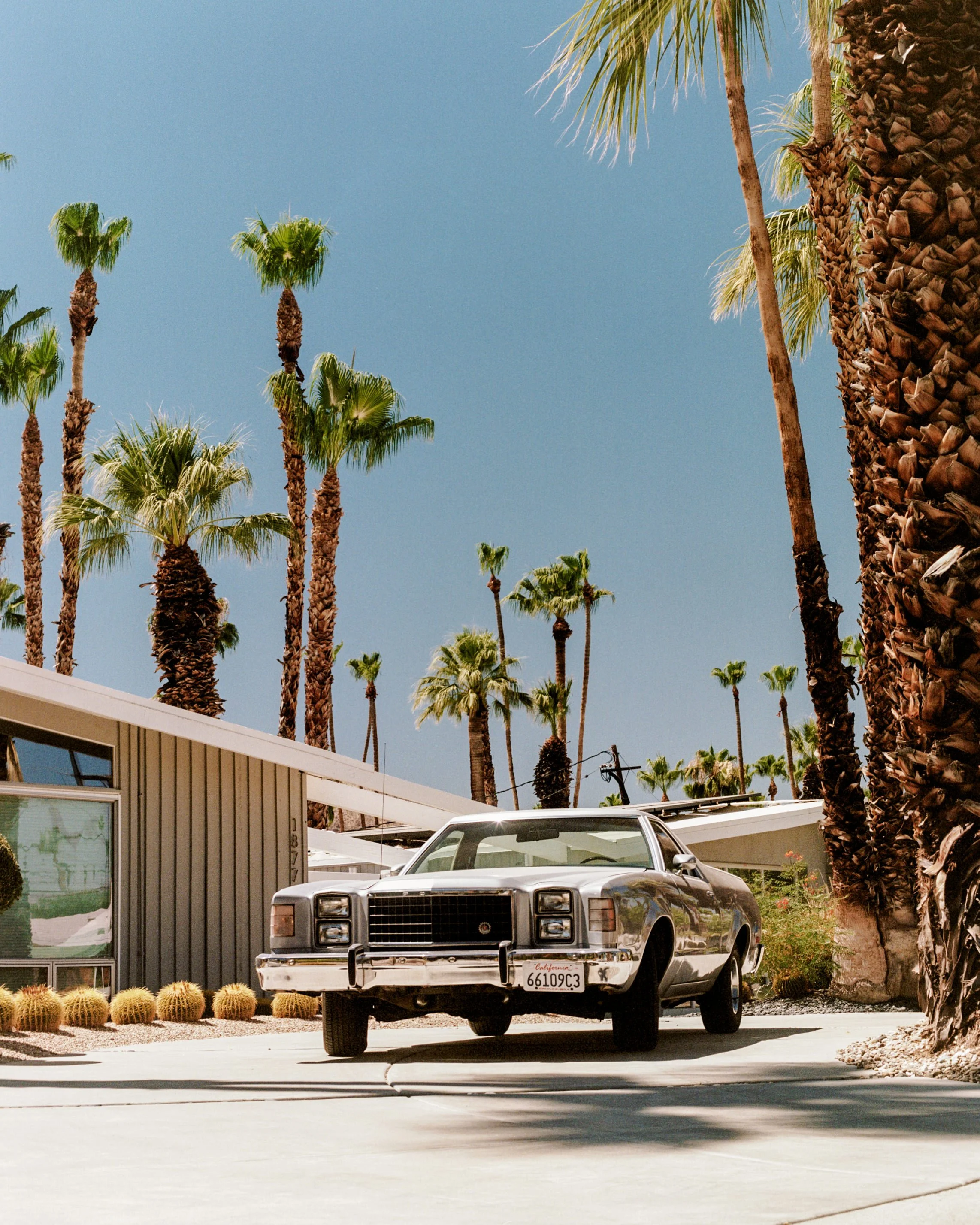
Some places already have their own palette.
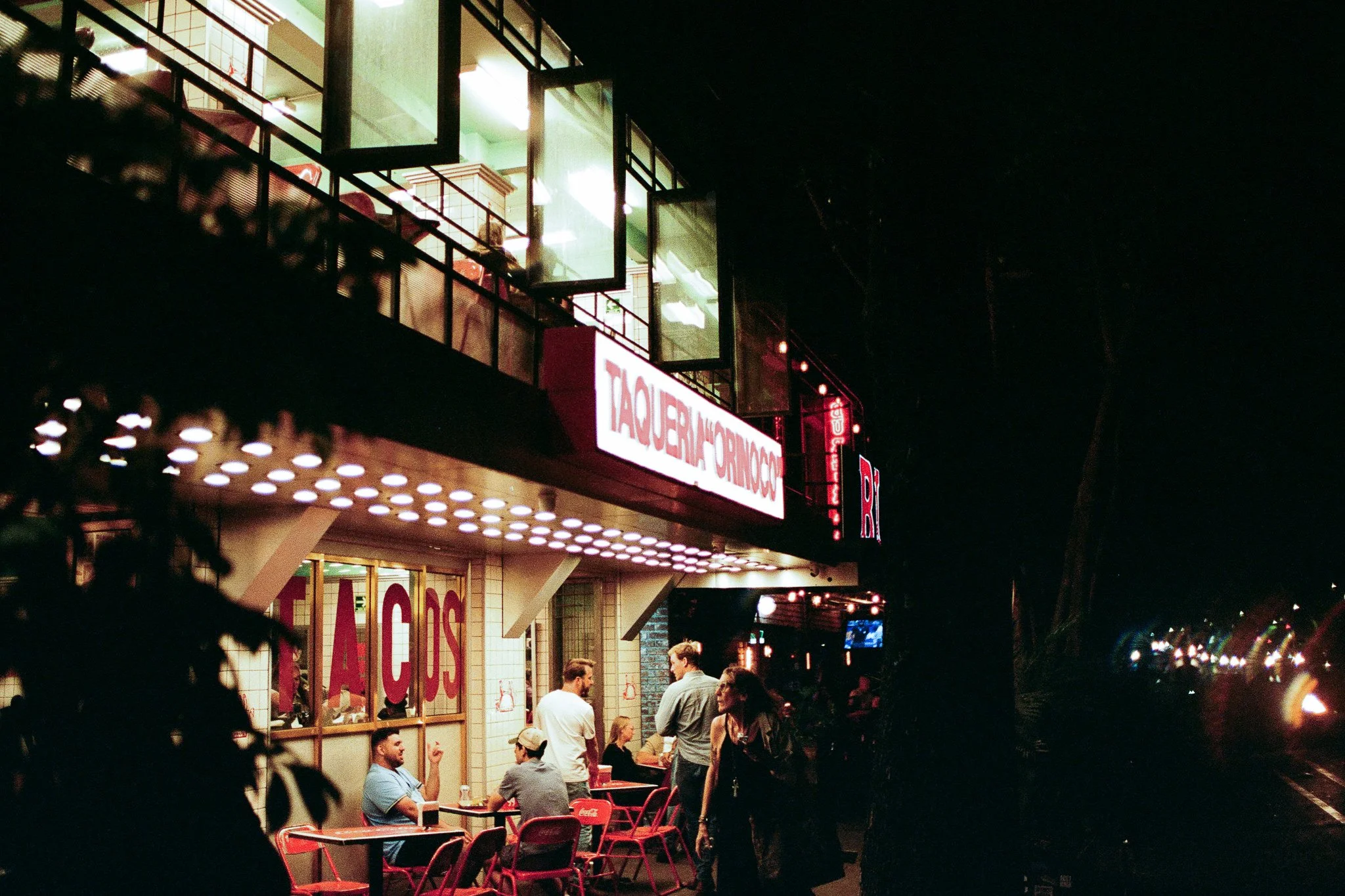
Southern California gives me a lot of it—stucco, faded paint, palm trees, old cars, hard afternoon shadows and colors that shouldn't necessarily work together but somehow do.
Film doesn't make those places feel perfect. It makes them feel remembered.
A photograph can hold the atmosphere.
Some photographs become more valuable because of what was happening around them.
A crowd. Music. A celebration. A neighborhood event. People responding to one another instead of to the camera.
Those are the photographs that often become records of a place rather than simply pictures of people.
A portrait can still be a moment.
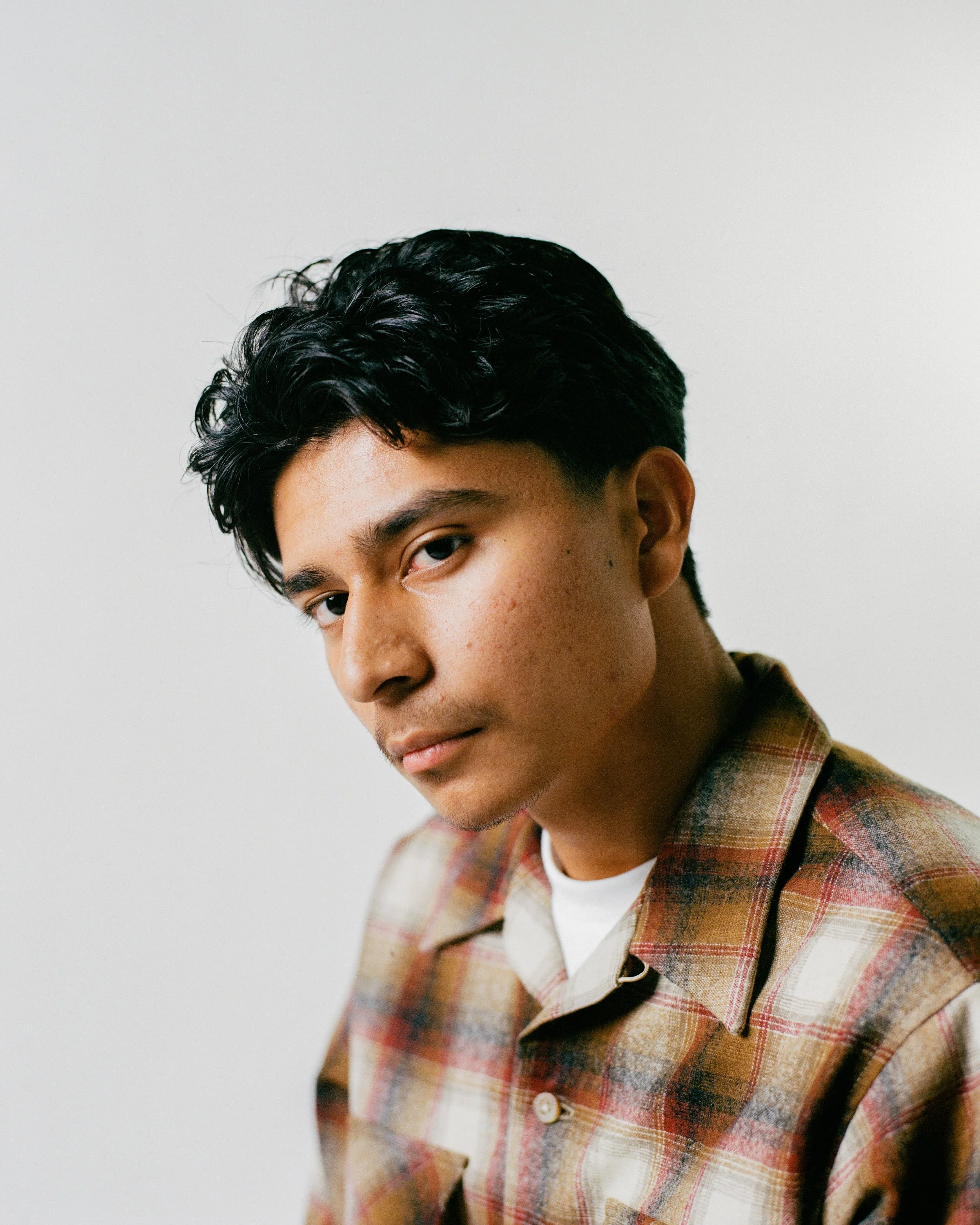
A controlled portrait and an observed photograph don't have to be opposites.
Even when I choose the location, light and composition, I'm still looking for something that feels specific to the person rather than perfectly manufactured.
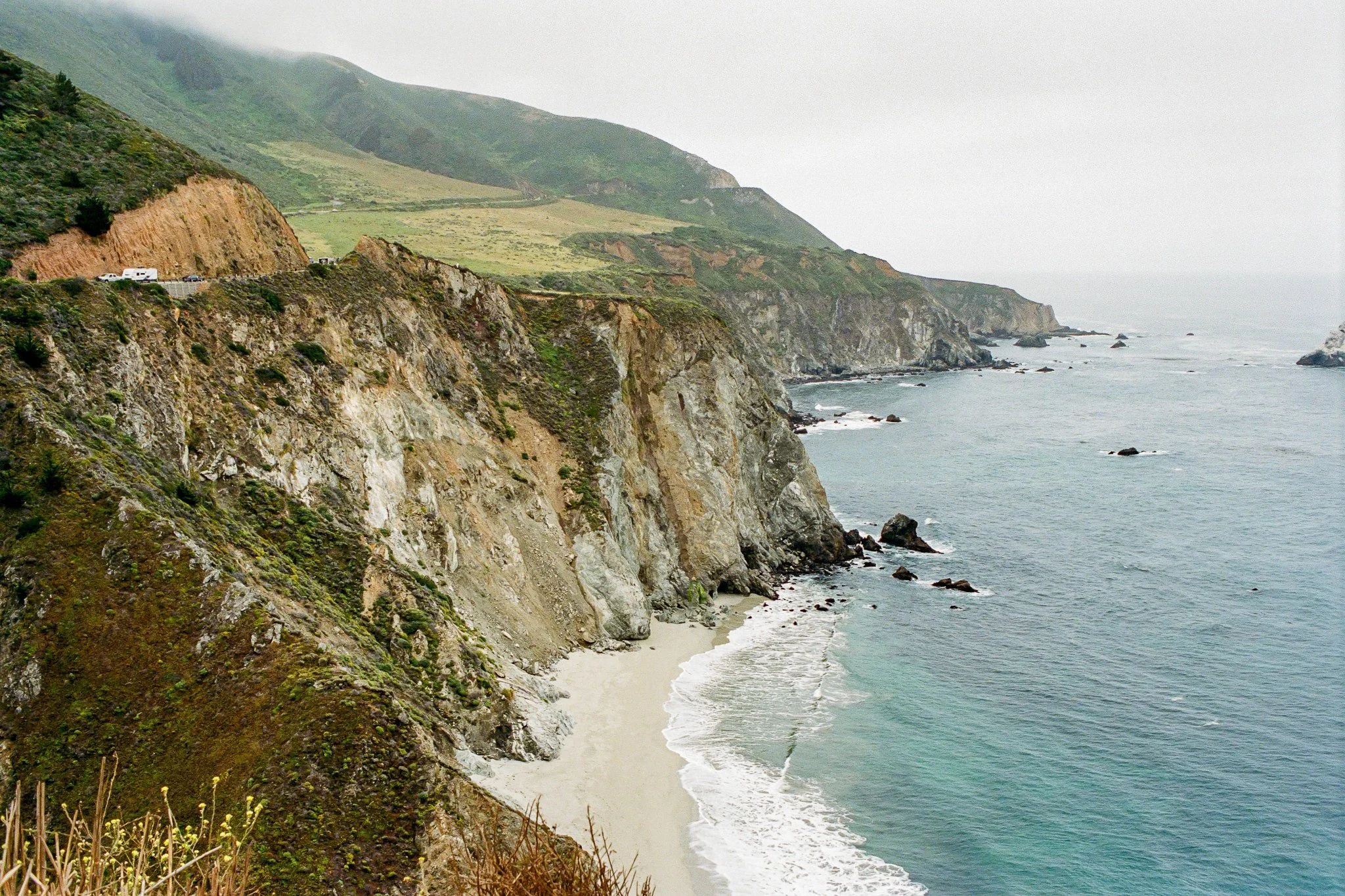
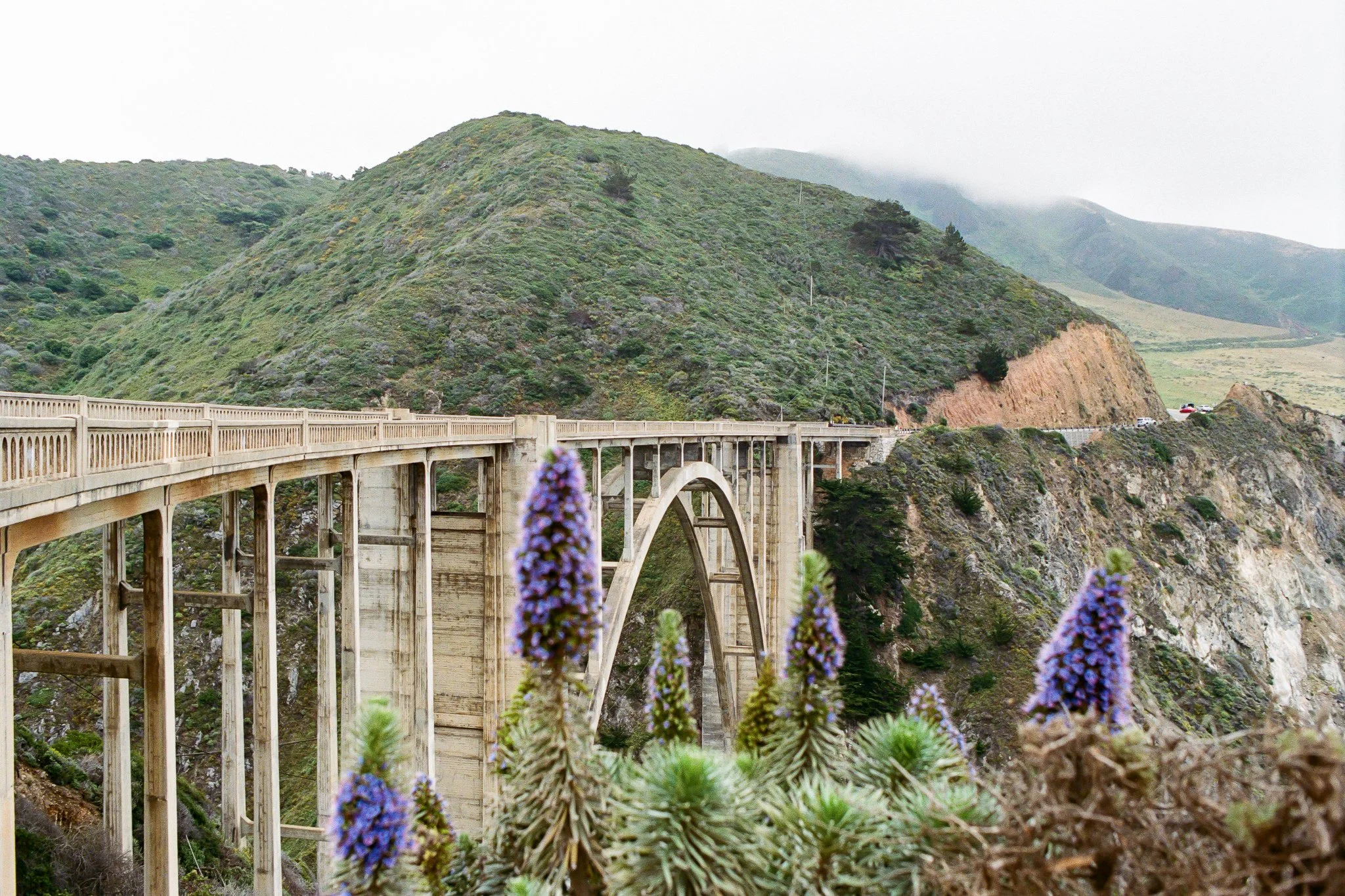
Sometimes the place is enough.
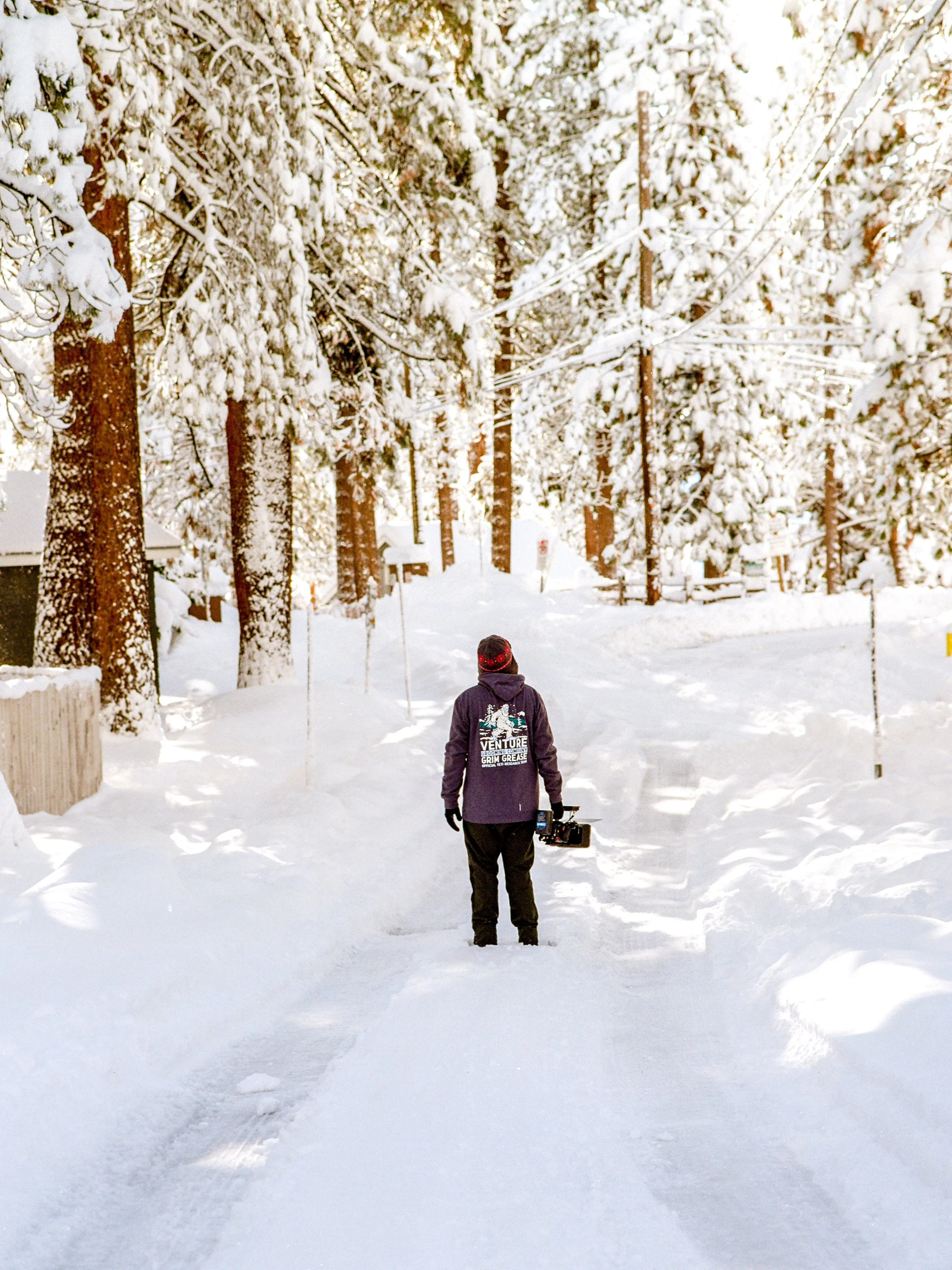
Not every photograph needs a person in it.
Traveling with a camera gives me a reason to stop, look longer and make a record of places I probably would have passed through otherwise.